

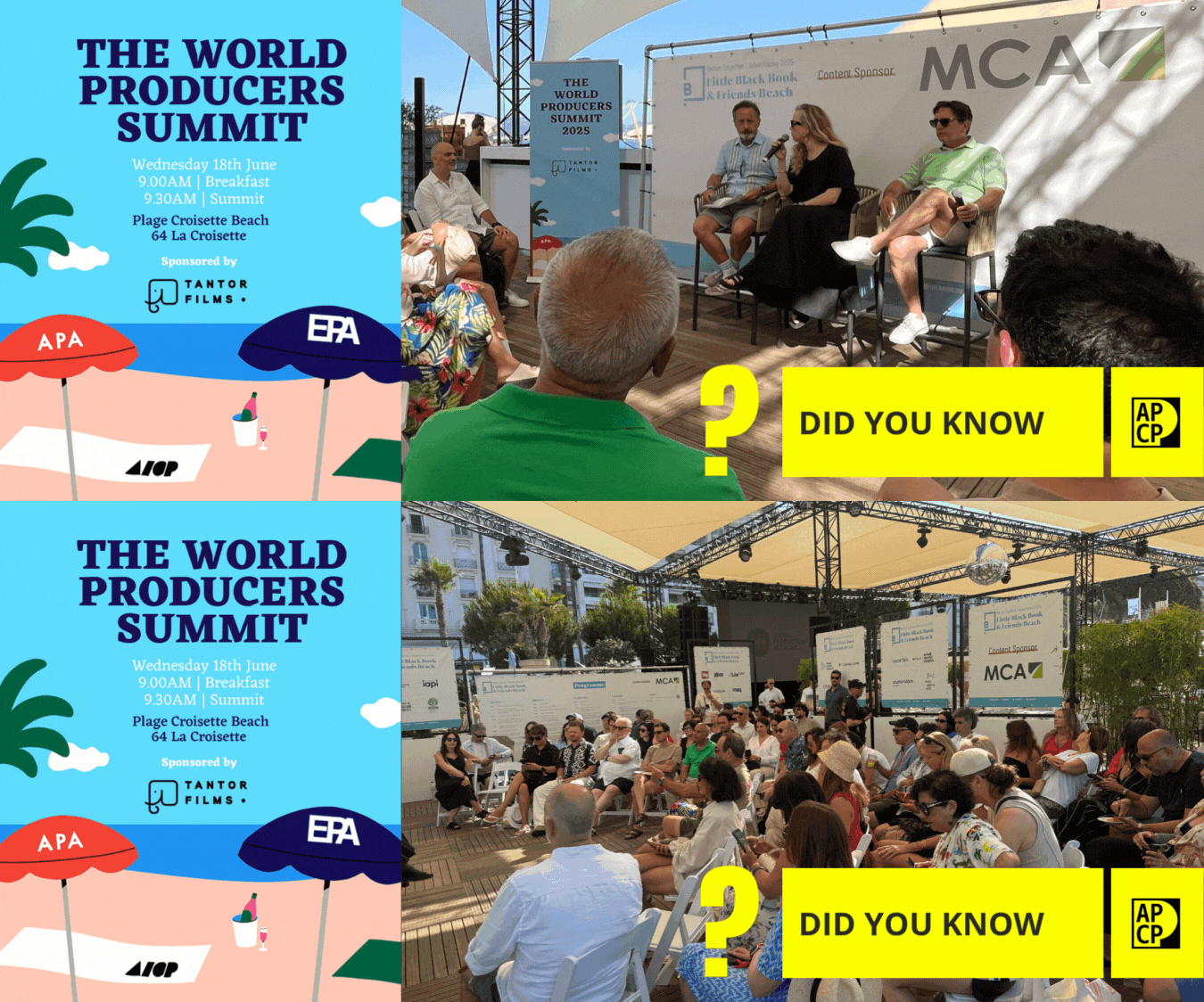
We tell you all about the producers’ summit at Cannes Lions.
 Last June 18th, in the context of the Cannes Lions festival, one of the most relevant events for the international community of producers took place: the World Producers Summit, a closed-door meeting held at 9:00 AM at Plage Croisette Beach, which gathered more than 100 owners of production companies from around the world.
Organized by the European Producers Association (EPA) together with the Association of Independent Commercial Producers (AICP, from the USA) and the Advertising Producers Association (APA, from the UK), this annual meeting’s main objective is the exchange of ideas, experiences, and visions on the present and future of the audiovisual production sector.
The meeting was chaired by Steve Davies, CEO of the APA; Florence Jacob, President of the EPA; and Matt Miller, President of the AICP.
Representatives from more than 35 countries participated, including Spain through APCP, France, Germany, Italy, the United Kingdom, the United States, Japan, Mexico, South Africa, Turkey, China, Sweden, Greece, Portugal, Serbia, among others. A diversity of voices that enriched the debate and provided unique perspectives on the challenges and opportunities facing the industry.
Based on previous suggestions from attendees, the central theme of this edition was the impact of Artificial Intelligence (AI) in audiovisual production. The conversation deliberately focused on an opportunity-driven perspective, leaving aside narratives of threat or replacement.
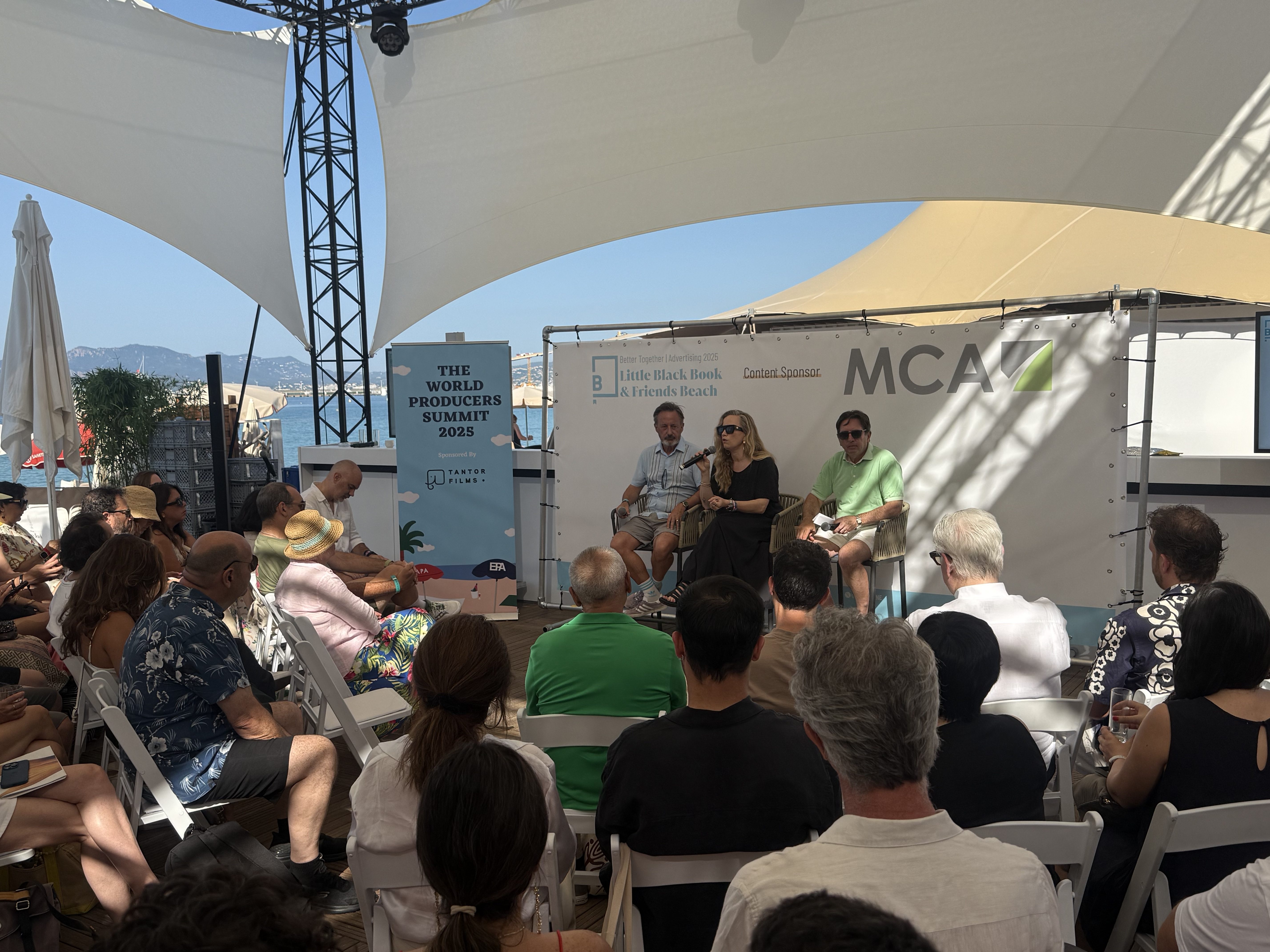

During the session, the work carried out to date with AI, its creative and technical potential, as well as different business models being explored by production companies worldwide, were analyzed. It was highlighted that it is not feasible to apply the traditional margin and budget structures of live production to AI-generated content, given its significantly different nature and costs. Therefore, companies are experimenting with new commercial strategies adapted to this emerging reality.
Other issues related to market concentration and the proliferation of ‘in-house’ production companies were also addressed, and how, in contrast, independent production has become a guarantee of quality and transparency that increasingly attracts advertisers. On this topic, APCP contributed its experience to the conversation, attracting the attention of associations from other countries after the meeting to learn about our working model.

