

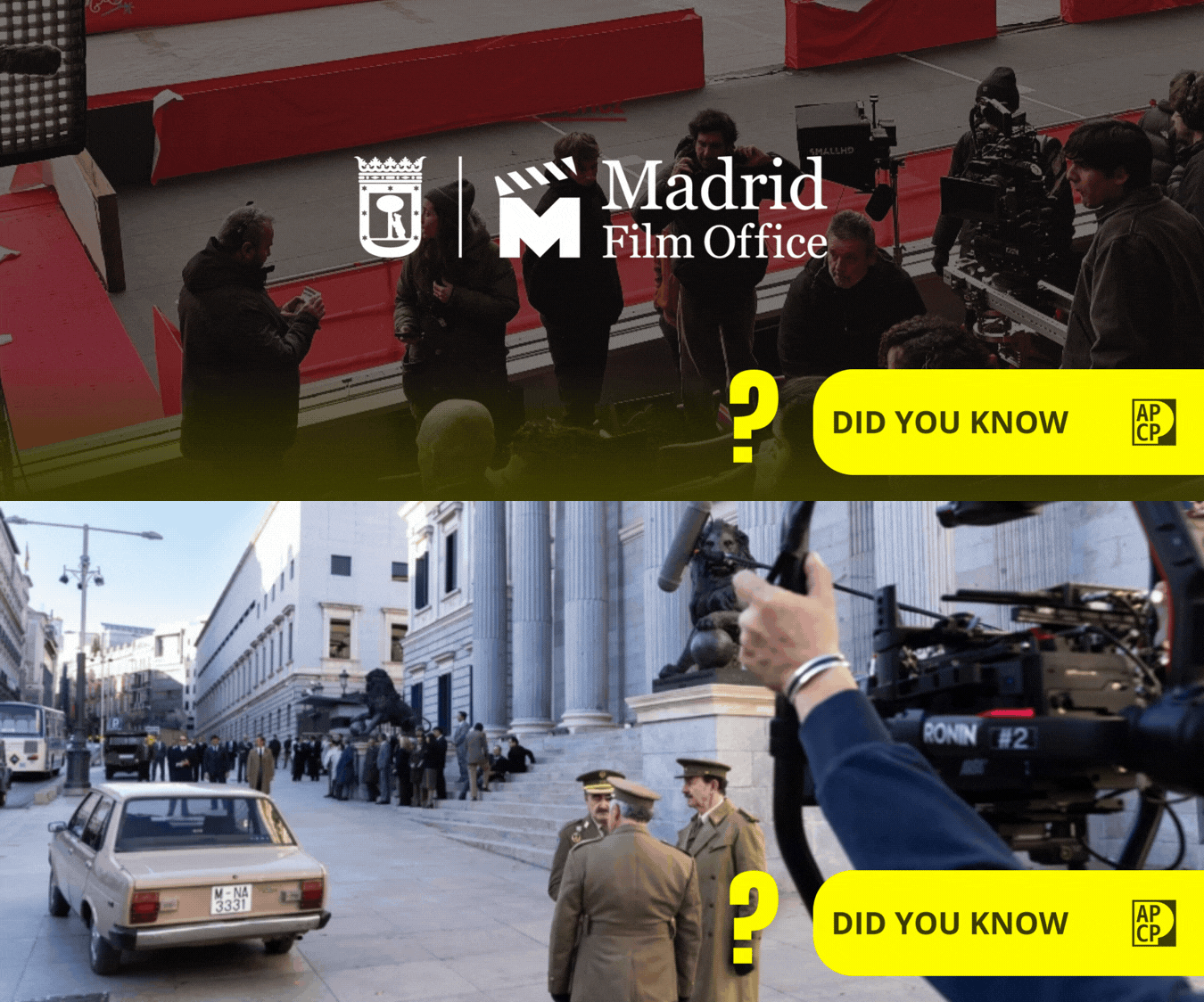
The capital closed 2025 with historic figures in film and television production, consolidating itself as one of Southern Europe’s main creative hubs and strengthening its international profile as a destination for cinema and series.
Madrid cemented its position in 2025 as one of the continent’s major urban sets, after hosting the filming of at least 71 feature films, 52 series, and more than 410 advertising productions. This data, compiled by Madrid Film Office, reflects the sustained growth of audiovisual activity in the city and its capacity to attract both national and international projects.
The increase in the number of films shot represents a new historic high, greatly surpassing previous years’ records and confirming the sector’s upward trend. This dynamism not only drives cultural creation but also generates a notable economic impact and a significant volume of direct and indirect employment in the city.
Throughout the year, Madrid was the setting for major international productions and notable Spanish cinema projects, with filming spread across different neighborhoods and emblematic locations. The diversity of titles and formats demonstrates the capital’s versatility as a set, capable of recreating multiple urban and narrative environments, which reinforces its appeal to production companies worldwide.
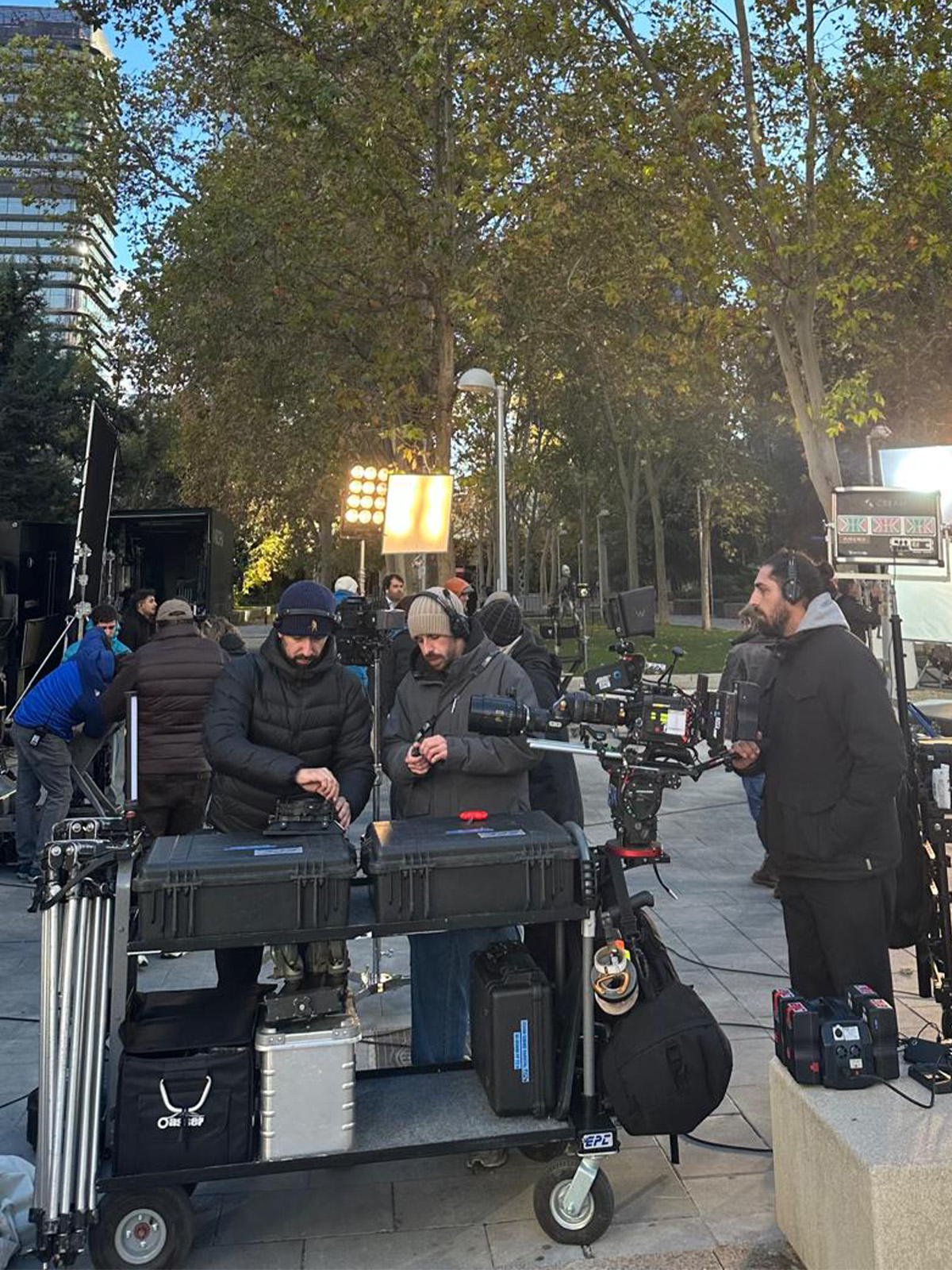

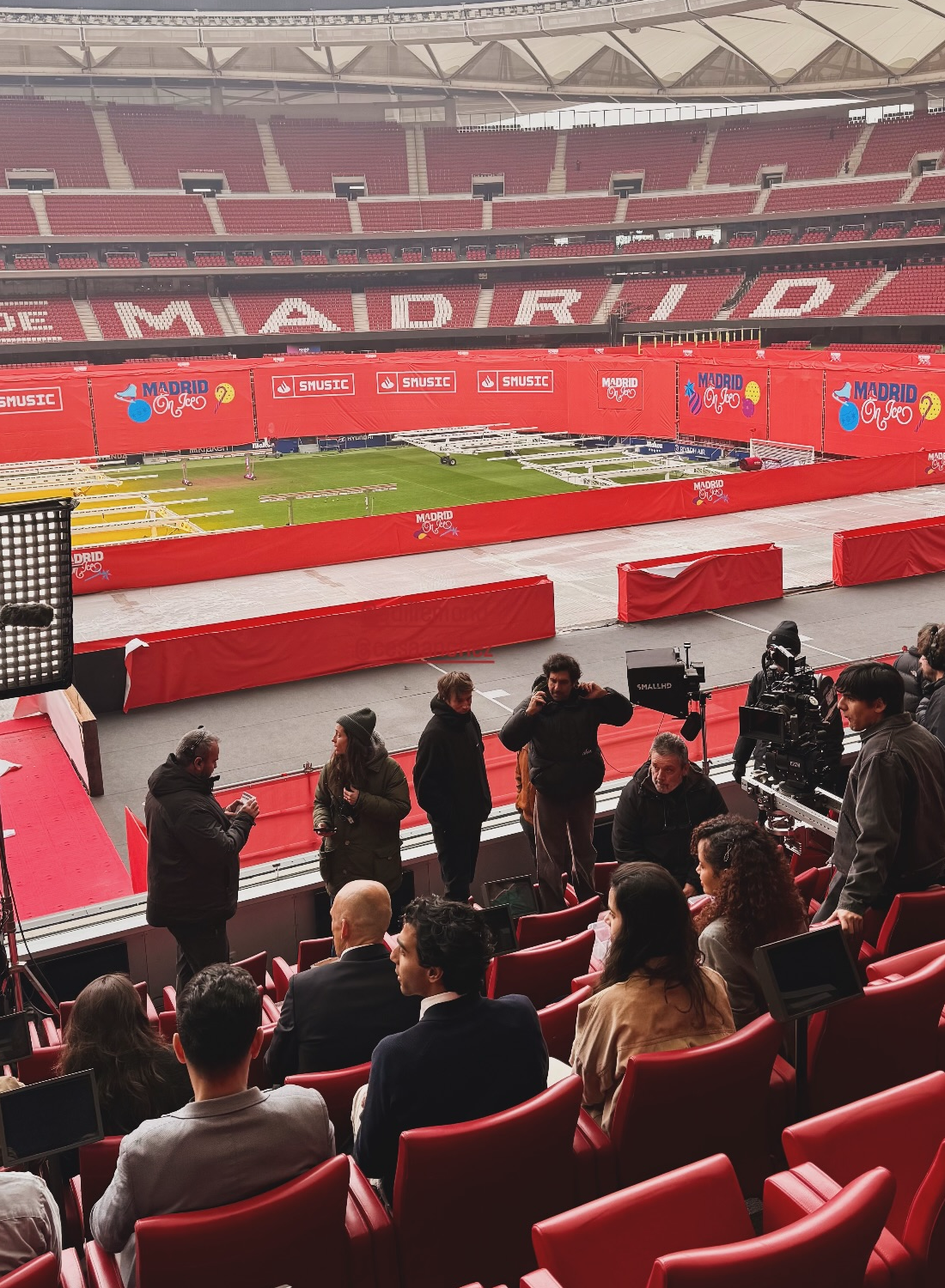
Furthermore, the spectacular figures generated by advertising shoots in the city show that the advertising sector is the economic engine of the industry. An invoicing volume that maintains the workload of previous years and demonstrates the stability of the sector and the good work being carried out by our production companies, the institutions, and their close relationship with APCP.
In parallel, the City Council processed over 11,000 permits for public road filming and Madrid Film Office provided more than 4,100 assistances to film crews, consolidating a model of comprehensive support for the sector. In addition, the office participated in international fairs, festivals, and markets with the aim of reinforcing Madrid’s visibility as a strategic audiovisual destination.
These results confirm the role of the audiovisual sector as one of the city’s cultural and economic drivers, while also boosting what is known as screen tourism, a growing trend that turns productions into a powerful tool for urban promotion. Madrid, thus, continues to project itself to the world not only as an administrative and cultural capital but also as a first-rate cinematographic benchmark.

