


After the success of Iberdrola’s AI piece, Metropolitana and LEE analyze the integrated processes
With the flight at full altitude, the session addressed the importance of integrated processes. During the presentation, Ramón Arteman from Metropolitana and Irene Núñez from LEE analyzed the piece Planazo Sofá for Iberdrola, a campaign that exemplifies how technological innovation can merge with traditional post-production techniques.
The Iberdrola case, presented by Metropolitana and LEE, highlighted the use of Artificial Intelligence (AI) to bring to life a piece that, as Ramón Arteman stated, is representative of everyday life and realism. The expert also stressed: “The Iberdrola case is significant, it’s not the most impactful in terms of visual effects, but it is the one that most connects with people’s day-to-day life.”
Throughout the talk, they detailed how Metropolitana and LEE integrated AI into the production, explaining that there were technical limits “that AI could not cover”, so they turned to more classical post-production to complete it, the expert emphasized.
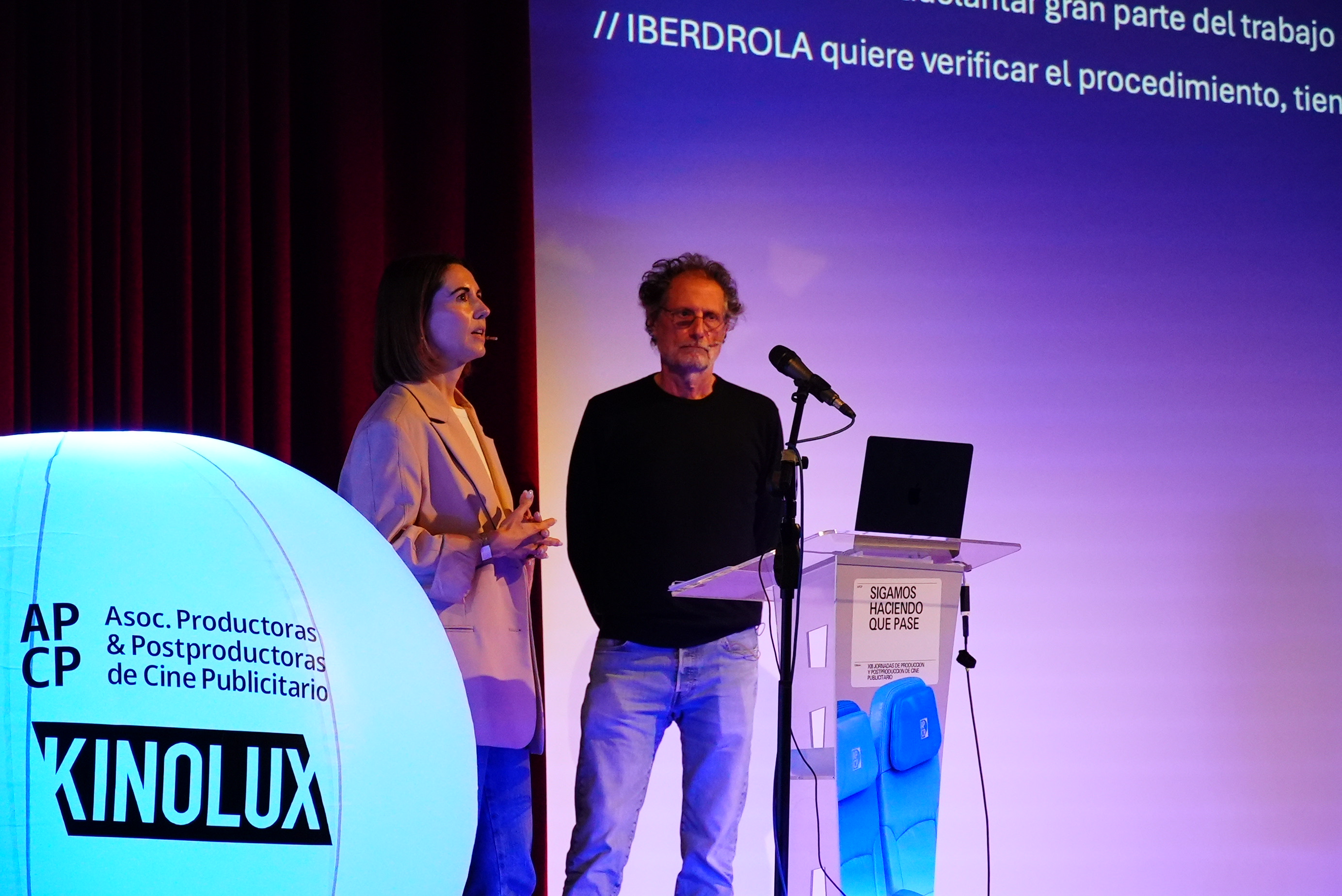
At Metropolitana, the entry into AI began in 2020 with the Lola Flores project, and since then, they have continued exploring its use.
For her part, Irene Núñez commented: “We saw how AI began to be incorporated into our day-to-day, with a kind of childlike enthusiasm for the new: new equipment, new machines.” She stressed that although AI has revolutionized processes, it is still a tool and not a fully independent solution: “AI does not generate a piece by itself; we incorporate it as one more part within the whole production process, without replacing traditional filming techniques,” Núñez explained.
Another highlighted aspect was managing human talent within these technological processes. Human interaction and daily communication are fundamental, both stressed. “Listening is also super important,” Arteman affirmed. In addition, the experts emphasized that not everything is cheaper because of AI, debunking the fallacy that technology reduces costs. “AI is not perfect, and the vulgarization of its use can lead us to mistakes; it is essential to understand its limitations,” Arteman highlighted.
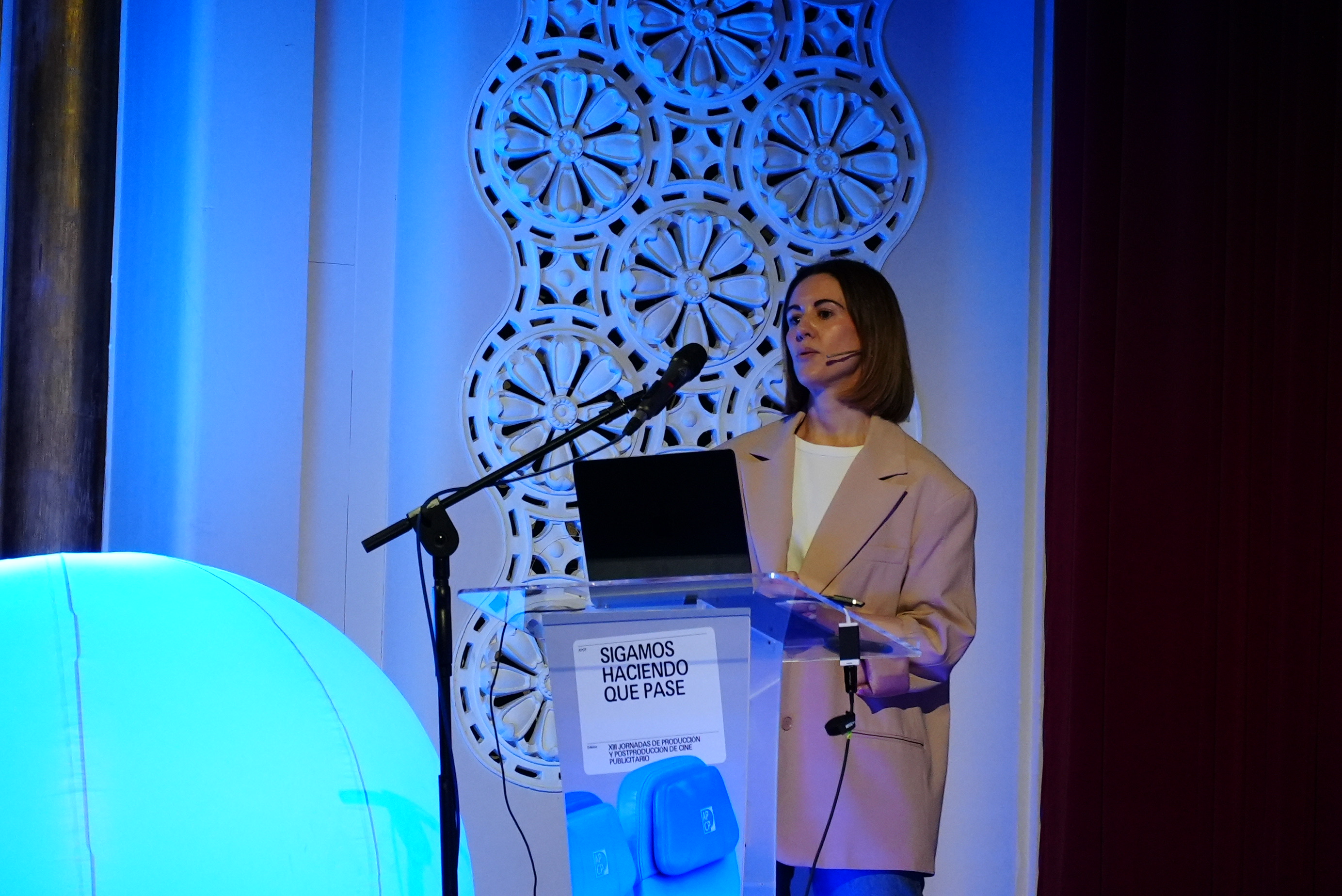
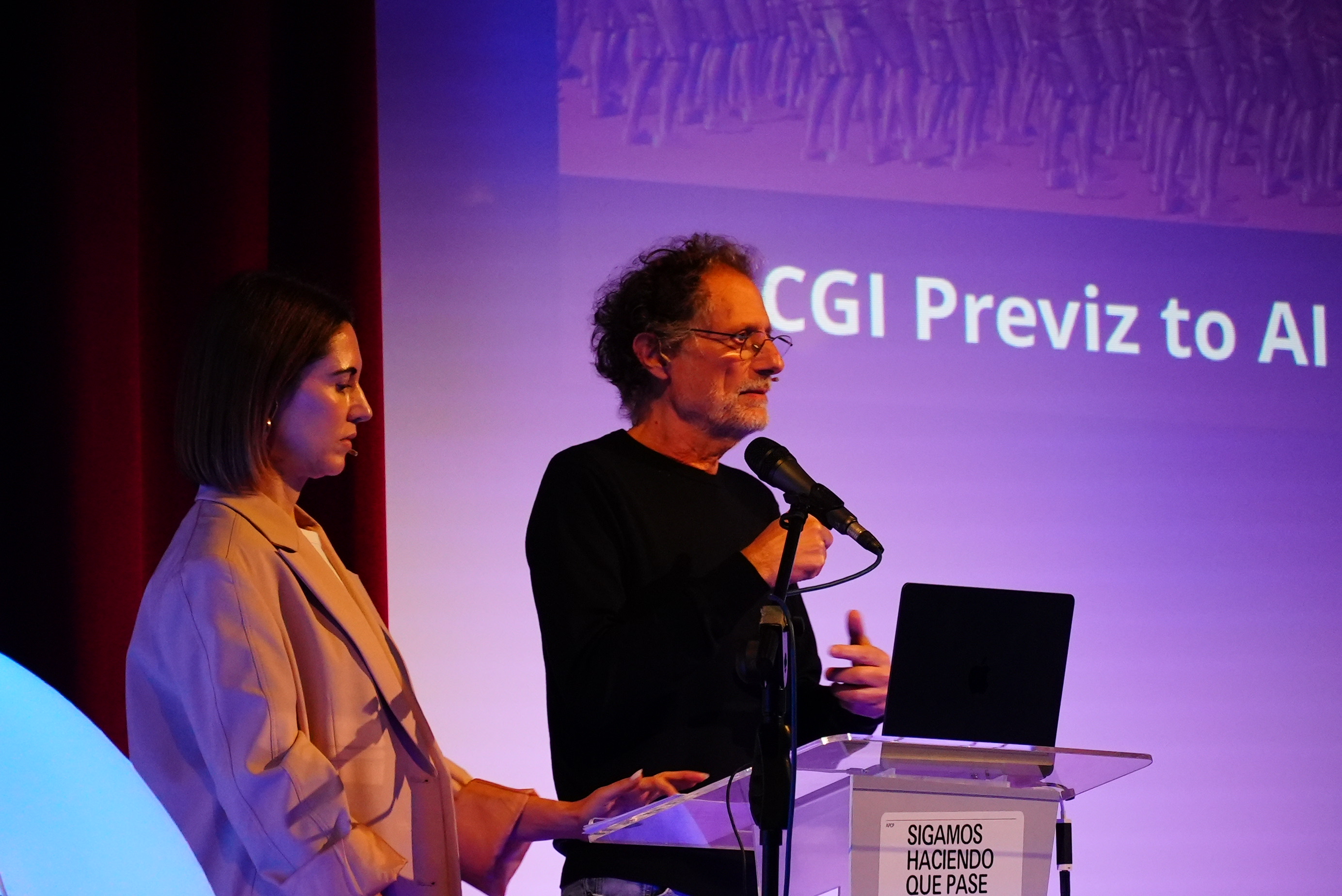
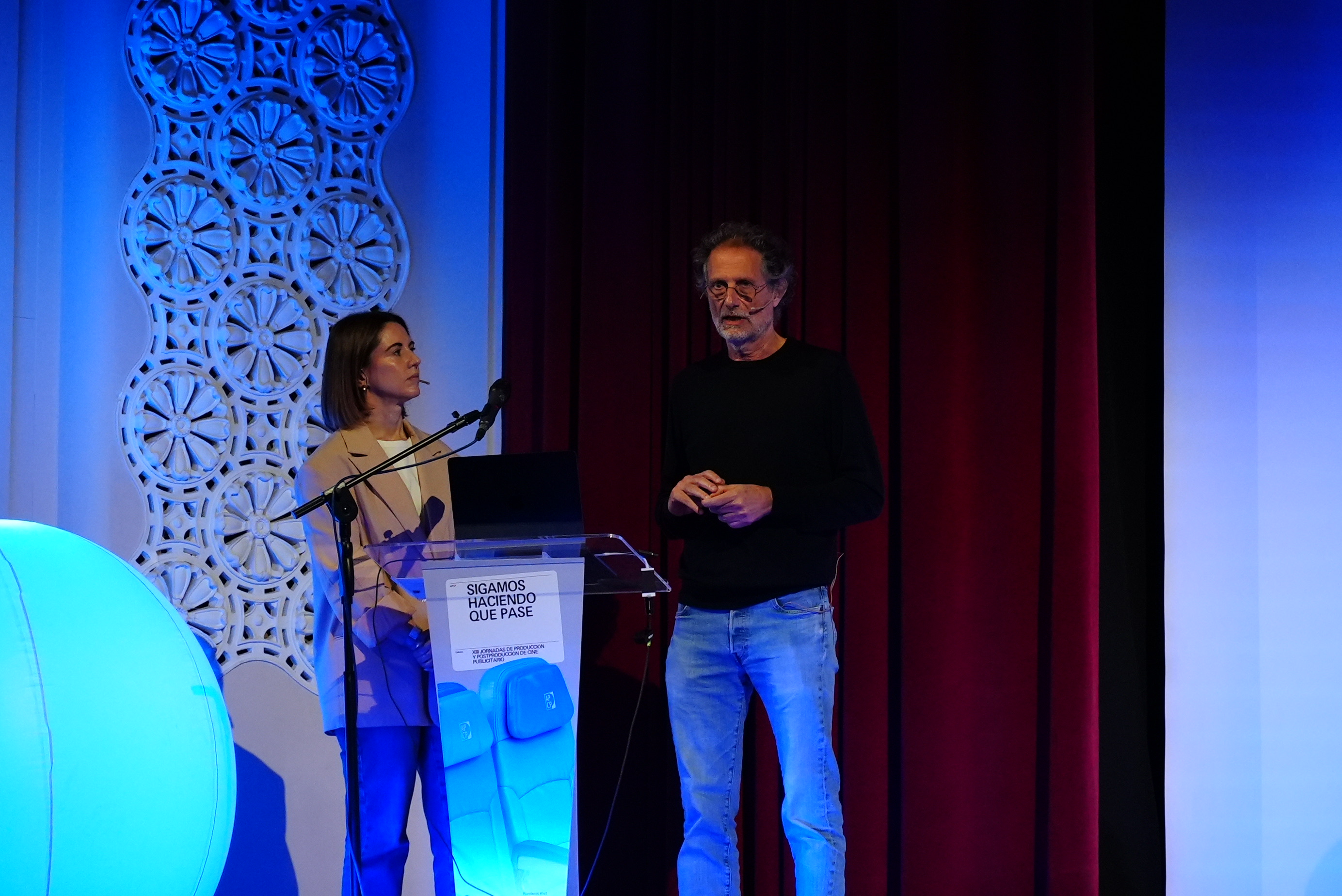
Regarding the legality of using AI in production and post-production, Arteman expressed that we are in a “murky moment” but stressed the need to respect the prestige of the brand.
Irene Núñez stated clearly: “AI is here to stay.” She explained that faced with time and quality challenges, AI was the only way to guarantee a good result within tight deadlines. “It allowed us to move forward with a lot of work, such as environment design, which otherwise would have taken much longer.”
As for the safety of using AI, Núñez stressed that it was never used 100% autonomously. “We made a mix of techniques, combining AI with traditional compositions and filming, which allowed us to maintain control and quality,” she highlighted.
Both speakers agreed that when a production company and post-production company commit to a project, it is necessary to guarantee traceability and responsibility throughout the entire process. “When you commit, you must do it with everything,” Núñez concluded.