

The Advertisers’ Forum of the XIII APCP Commercial Film Workshop sets the roadmap for the sector: quality, transparency, solid agreements, and a new paradigm driven by AI and creative talent
The first major meeting of the day, the Advertisers’ Forum (Foro de Anunciantes), brought together production, post-production companies, and advertisers with the purpose of redefining the rules of collaboration and strengthening the bonds between the pillars of the sector.
The person in charge of inaugurating the day was María Jesús Horcajuelo, president of the Spanish Association of Advertising Film Production and Post-production Companies (APCP). The president opened the advertisers’ forum by remembering Jose Manuel García Albuerne, who was the first president of the APCP.
She also recalled the Association’s values and explained to the attendees how the AENOR seal, which the Association has held since 2014, is a guarantee seal that offers transparency, security, and an efficient return to production companies. She also stressed that it is an exclusive seal, which provides a differential value and is a model to follow across Europe.
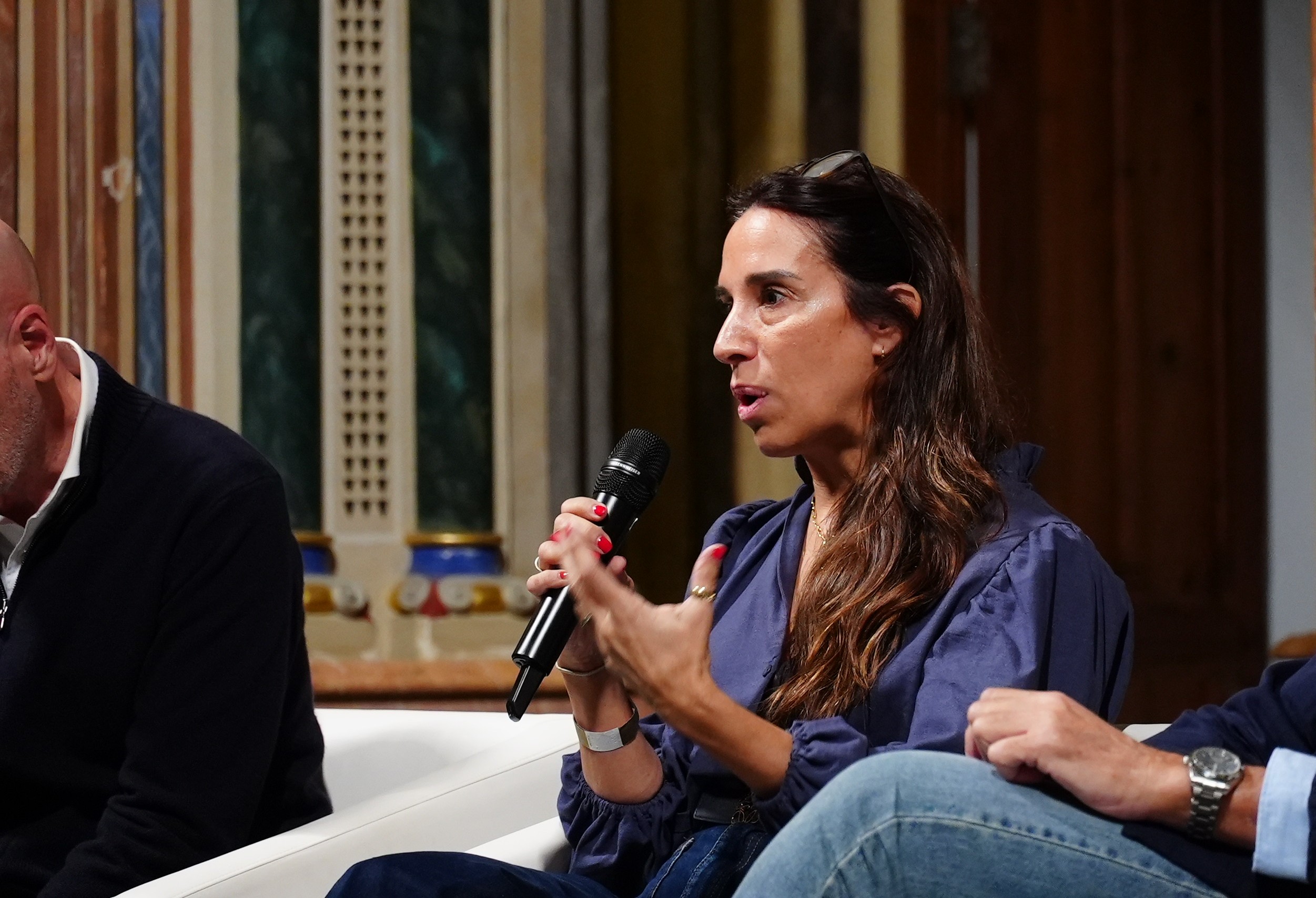
From negotiation to agreement with BBVA, Telefónica and Iberian Premium Fruits
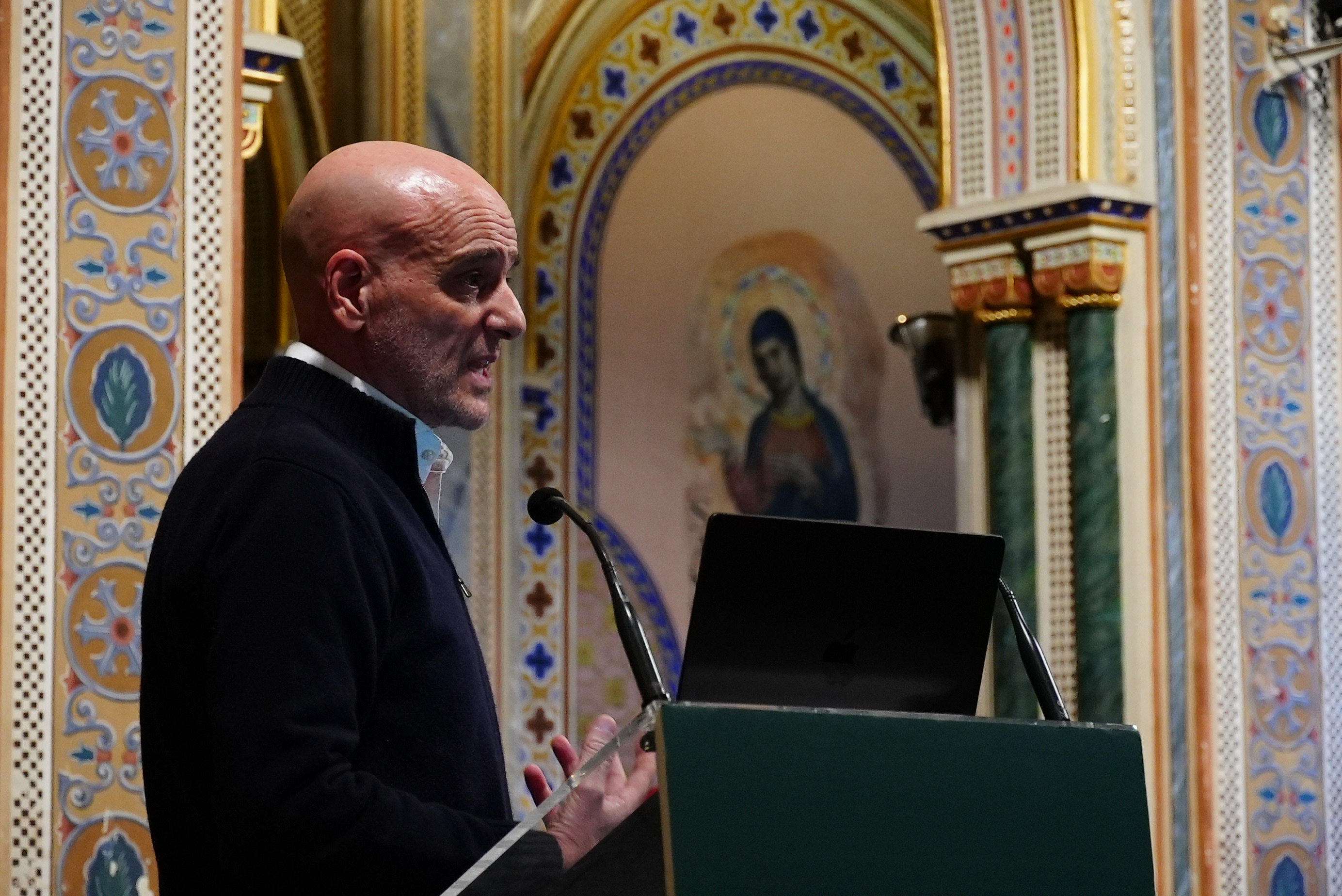
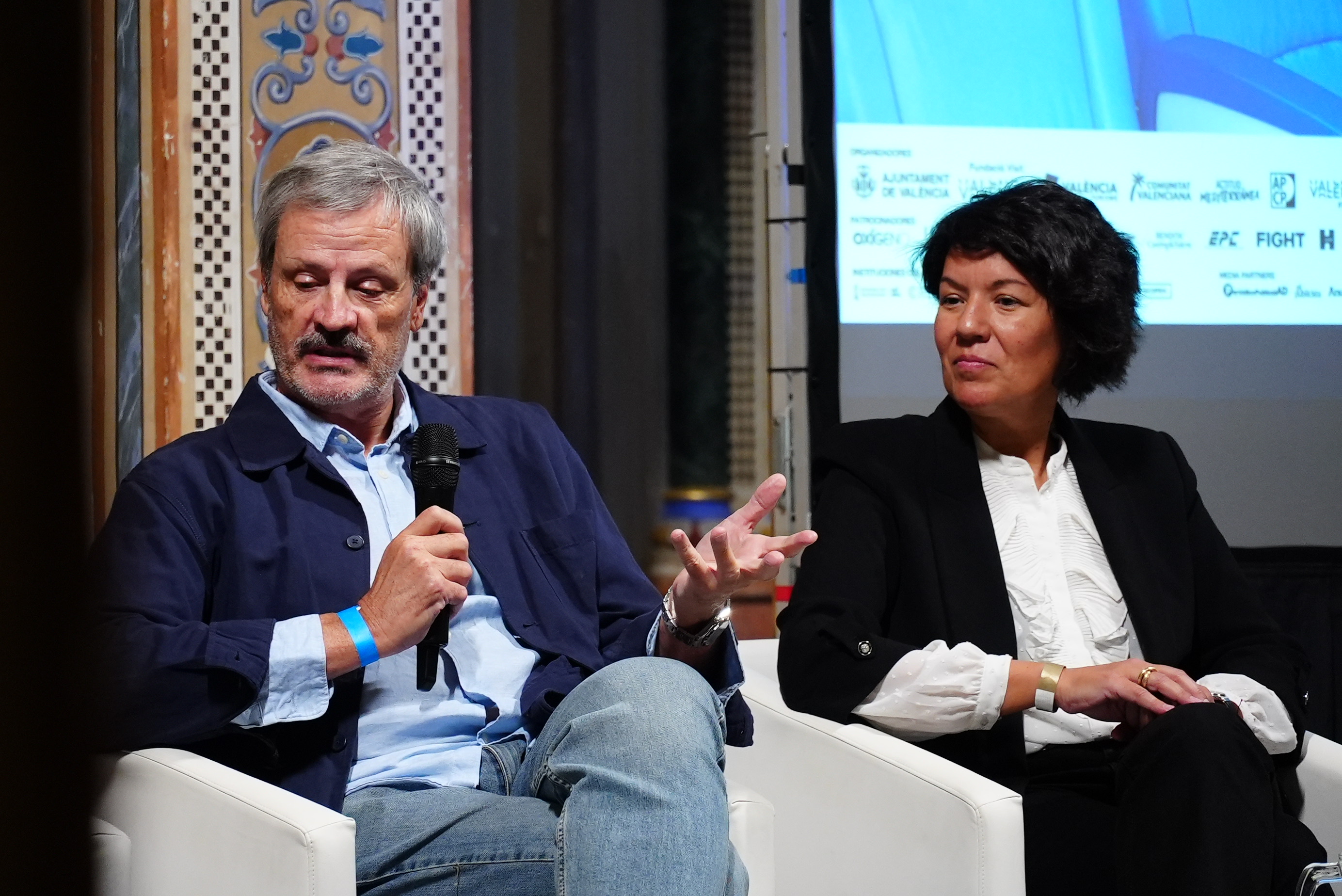
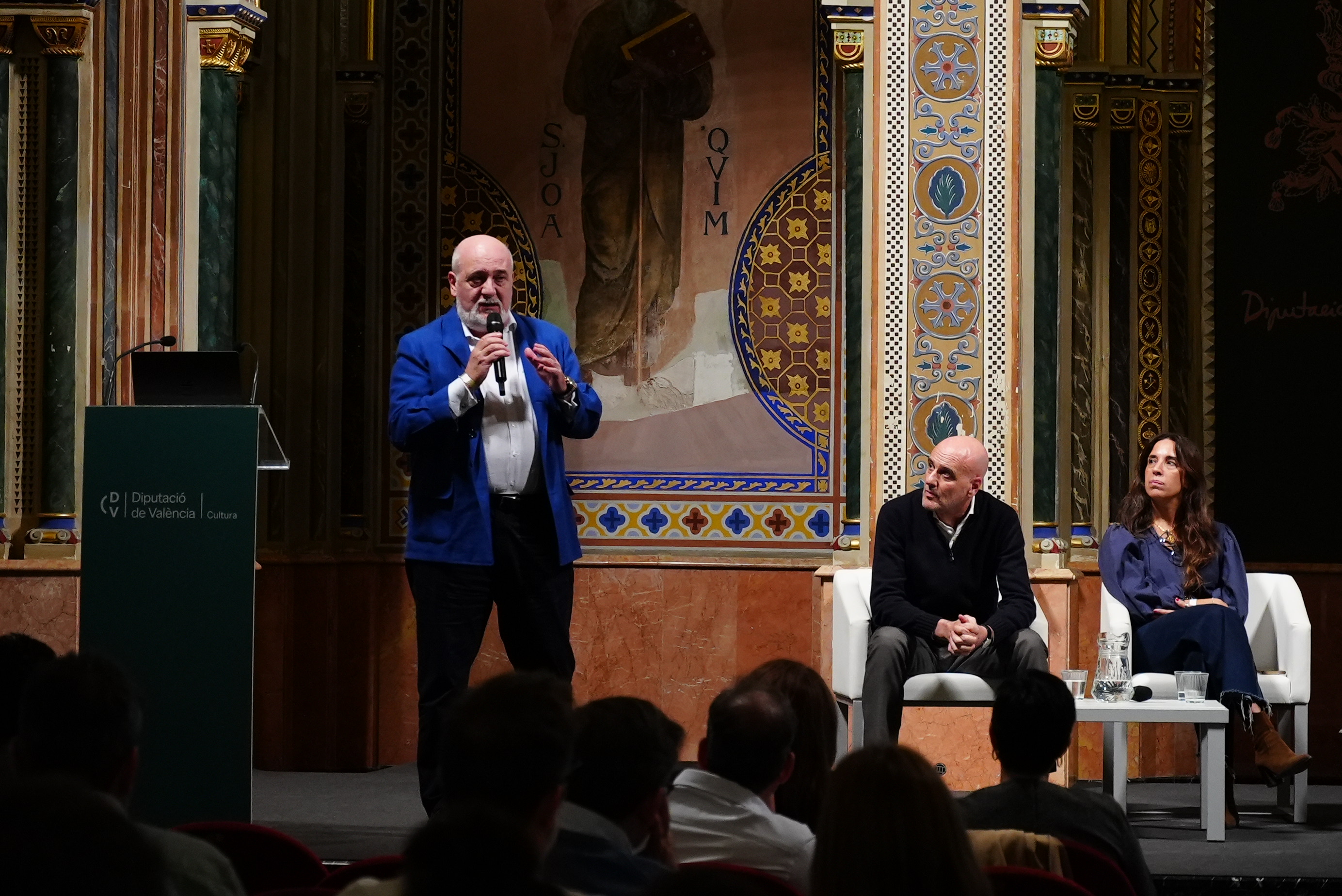
After the opening ceremony, Jesús Becedas from BBVA and Jetzabel Tapial from Telefónica gave a presentation entitled From negotiation to agreement. Becedas spoke about the basic principles of good practice, stating that these must be applied continuously. For Becedas, ‘effective production starts even before creativity.’
The speaker also argued that if you want to optimise resources, you must be transparent from the briefing stage, ‘since the briefing is essentially a contract of conditions and a binding document that all parties must be aware of.’
On the other hand, Jetzabel Tapial commented that part of what they promote and support as a brand is excellence in production and in each of the processes. She also highlighted the importance of transparency and, above all, the optimisation of resources as long as it does not affect the quality of production. Finally, Tapial assured that it is ‘a challenge that lies ahead of us’.
The effect of in-house production by MCA
The second reflection was given by Pablo Pérez-Payá from MCA, who analysed his experience with production companies in the APCP environment and who attended the forum on behalf of IKEA.
In his presentation, Production with its own stamp, he highlighted the role played by the Association’s production and post-production companies in the filming carried out in our country, and how filming with APCP associates is synonymous with quality and good work. These words served as a link to highlight how he managed to get an advertiser like IKEA to quickly understand the benefits of working with APCP and choose our production and post-production companies for their shoots.
Pérez-Payá also gave some examples of other clients who worked with APCP production companies on some of their shoots, such as the Moeve brand, which chose an APCP production company to carry out its shoot and ‘everything worked wonderfully’.
Pablo Pérez-Payá concluded his talk by presenting a preview of IKEA’s 2025 Christmas campaign, entitled El mejor regalo es estar presente (The best gift is being there), produced by the associated production company IGLOO, which was screened at the same time as it premiered in Madrid. This campaign was directed by the recently awarded director Alaúda Ruiz at the San Sebastián Film Festival.
Nieto Pretel explains the treatment of generative AI in artistic contracts
The conversation took a turn towards legal reflection with the intervention of José Miguel Nieto from the Nieto Pretel company. José Miguel explains that the Royal Decree on Artists, which has been in force for 40 years, is being amended because AI has posed a new challenge to the labour regulations that govern it.
Nieto Pretel says that, with the new decree, artists will have to receive certain remuneration in the field of intellectual property and image rights when they are authors or use generative AI in their work. Jose Miguel concludes the presentation with a reflection on this issue, saying that “we are trying to do everything possible to determine what AI covers and what it does not cover.
The role of production companies in the new marketing environment by SCOPEN
The forum was closed by Patricia Chávez, consulting director at SCOPEN, with a presentation entitled The role of production companies in the new marketing environment. Patricia Chávez gave an overview of the current market situation and offered a zoom-out perspective. She stated that clients are under a lot of pressure, immersed in an environment and a year ‘that focuses on how to adjust our work’.
The expert also spoke about the integration of AI in campaigns and the media—according to Chávez, it is not yet well established—and stressed that only 30% of agencies and brands integrate it, while 57% still have difficulties.
AI is the environment where the focus is on efficiencies, but we will see how this grows, alluding to the fact that it will not only be about efficiency.
In the same vein of change, she affirms that we are moving towards a new model, previously based on intuition and now much more on talent. Patricia Chávez concluded that we are in a moment of ‘creator economy,’ which is good news, according to the expert, ‘because not everyone knows how to create content that does not interrupt, which is good news for talent.’
The Advertisers’ Forum ended with a final round of questions in which attendees had the opportunity to share opinions and points of view with the speakers and enjoy a cocktail sponsored by Gula Catering and Point of View.